The Getting Things Done approach

The question still stands: what is the best way to tackle a task? In other words, what do you do when a task comes your way? The Getting Things Done system by David Allen offers a simple and practical approach to this.

From Getting Things Done by David Allen.

When something comes in on your plate, you need to ask the question, “What is it?” and “Is it actionable?” or in other words, “Can I act on this?”

If it is actionable, you need to ask, “What’s the next action?”

If the next action takes less than 2 minutes, you need to do it now. This may sound strange, but it is immensely helpful. If you do quick tasks immediately after they come onto your plate, you make sure you don’t get drowned in small to-do’s later. I often make sure to send that email now instead of leaving it until later. It takes so little time and is a huge load off my mind.

If the task takes more than 2 minutes to complete, you can try to delegate it. Not all tasks are suitable for delegation, but if it is, that’s a great option. In that case, you can email, message, or call the person to inform them of the task. Crucially, after you’ve done this, you need to make a note of it in a “Waiting For” list or under the project heading where the delegated task belongs. We often forget what we asked someone to do for us, and things can sometimes slip out of our control when we delegate them to someone else. That’s why it’s useful to have a way to keep track of what we are waiting for from someone else.

If you can’t delegate the task and you can’t do it right now, you can defer it to a future point in time. You can put it on your calendar, so you will do this task on a specific date and time. For example, I will wash my car on Saturday at 10:00. I don’t have to do it now, but I know it will get done.

You can also put it under a project heading (i.e., in the list of tasks belonging to a certain project) for you to do as soon as you can. This means that you don’t have to do the task on a specific date and at a specific time, but you will get to it when the time comes.

Every time you work on a certain project, you revisit your list of tasks for that project and tackle the task at the top of the list. In this way, you know that the tasks you put on there will get done and won’t be forgotten. Let’s say you want to change a light bulb in your house. You don’t want to do it now and there isn’t really a deadline for when it needs to get done. So you put it on your list of Home tasks. Next time you’re at home and have some time to do housework, you can take a look at your list and change that light bulb.

If the task that comes your way consists of multiple steps, then it may in fact be a project. If it is a project, then make a separate project heading for it with a list of tasks under it. If it’s smaller than a project but requires multiple steps, you can put the task under your already-defined project heading and include a list of sub-tasks that need to be completed. Then you treat each sub-task as described in the previous paragraphs and either do it, delegate it, or defer it.

Let’s say you want to buy a new washing machine. It’s not quite a project because it’s not that big (it belongs to the Improve Home project), but it’s a multi-step task. I’d identify the following sub-tasks: look for washing machines online, pick 3 washing machines, go to a store to see them, order a washing machine, install the new washing machine, remove the old washing machine. Then I would schedule “look for washing machines online” on my calendar and proceed from there.

If the task is not actionable, i.e., you can’t act on it now, you can include it as a reference. This means you can look at it later when/if you need to. It’s good if such a folder or system is organized by topic or is searchable in order to facilitate easy discovery of materials. I often use this for interesting articles, videos, web pages, etc.

Alternatively, you can incubate the task or idea as a possible later action. It’s nice to have this collection of possible later actions, for instance, for future work projects, trips you could take, or books you’d like to read.

Finally, you can consider deleting the incoming task. If it’s not important or interesting enough to end up in your reference materials or in your possible future actions, then it’s probably fine to just delete it.

This is a brief summary of the Getting Things Done system. It offers a practical approach to any task that might come your way and while in reality it may not always be easy to decide which category a task belongs to, you can always ask yourself the right questions, make a choice, and enter the task in your pipeline. In this way, nothing slips through your fingers and you end up tackling tasks one way or the other.
Dealing with tasks

Now that you’ve broken down your priorities all the way down to tasks, how do you deal with those?

Let’s take one task as an example, for instance, washing your car. This is not the type of task that can be done immediately because it takes a while. Therefore, you should schedule it. Ask yourself the following questions: When does the task need to be done? Perhaps before your parents come to visit next month. When is a good time for you to do the task? Next Saturday morning could be a good time. You can go ahead and put that in your calendar.

Tasks can get scheduled on your calendar or they can be put on a to-do list, possibly with a reminder. The important thing is to actually check your calendar and your to-do lists. Otherwise things go on there but never get done.

Here comes the important part: actually doing a task. At the beginning of the day (or several times a day), you can check in with your calendar and your to-do lists. Let’s say it’s 8:50 on a Tuesday morning. What activity is scheduled for 9:00 on your calendar? Or if you have an hour of two of time for general work, what tasks are on your to-do list for today or for this week?

By going through the tasks you’ve already outlined for yourself beforehand, you make sure that you’re completing tasks you’ve outlined as important earlier. You don’t have to make the decision now about what you need to do. You’ve already made that decision beforehand, and by taking action now, you know you’re making progress towards your goals and that therefore you’re living in accordance with your priorities.

After you’ve completed a task (or a group of tasks), you can review your progress. I usually do this once or twice a day, typically at the end of the day. I look through the tasks I’ve completed today and remark on the progress I’ve made on my projects and thus towards my goals. Even if I’ve worked on very small, specific tasks during the day, I can evaluate exactly how those fit within my overarching goals. This brings perspective, reminds me why I’m doing what I’m doing, and reassures me that I am respecting my priorities.

On some days, things don’t go exactly as planned, and at the end of those days I don’t usually feel like doing a daily review. It feels like the day has been a mess, so I just want to leave it behind and get on with my life. In fact, every day includes something that doesn’t quite go according to plan. But that’s all the more reason to do a daily review: What actually happened today? How did it differ from what I had outlined for myself today and why? What forced me to adapt my plans? For instance, if a request comes in from a colleague, I have a choice about whether to tend to it right now, to put it on my to-do list, or to schedule it for a later date. If I choose to do it right away (and the request is not urgent), that may mean that I am overly eager to serve other people instead of sticking to the tasks I have prioritized. Or it may mean that I am anxious about the project I need to work on and prefer to procrastinate by doing other work.

It is extremely useful to examine those differences between the “ideal” day, as planned beforehand, and the actual day that ends up happening. What are the differences and what tension do they stem from? Do you have unrealistic expectations for yourself; do fake emergencies come your way too often; is there a priority or project that pops up but you haven’t accounted for properly; are you overwhelmed or anxious about a project you’d like to tackle; do external circumstances derail you?

If you stop to think about what unwanted factors are influencing you, you will be better able to avoid their influence next time. And in that way it will be easier to actually do the tasks you wanted to do in the first place.

Get more specific: Priorities to Goals to Projects to Tasks

Once you’ve set your priorities, you need to make sure you’re living in accordance with them. To do that, you need to make your priorities actionable. But priorities are by definition at the big picture level. How are we supposed to make them small and action-sized?

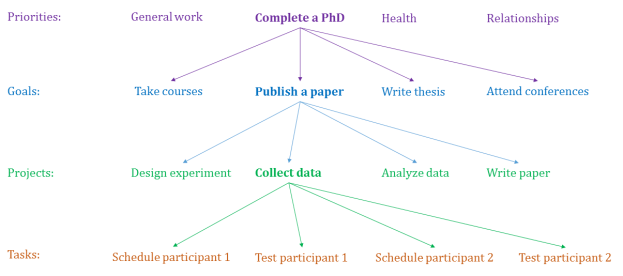
The way to do that is to break down your priorities into goals, your goals into projects, and your projects into tasks. In this way you know that when you complete a task, it completes a part of a project, which fits into a goal, which supports your priorities. If you follow this scheme, even the small actions you take will be feeding into your goals and making sure you’re living in accordance with your priorities.

Often when we are engaged in a small, everyday activity, it can feel meaningless or boring. We lose perspective (why am I doing this?) and do the activity just because we have to do it. But if we follow this framework, no matter how small the activity, we can easily link it to our projects, goals, and priorities, so it quickly fits into our overview of our life and where we’d like to be.

For instance, if I am sitting in front of my computer and renaming files, it can get boring very quickly. But if I remember that I am doing this because once the files are renamed, I can analyze my data and find out the answers to interesting questions I’ve posed in my research, suddenly I know why I am renaming those files and feel more motivated to keep doing it.

Or if I am at home, standing in the kitchen and cooking for two hours, I may feel annoyed and may want to stop. But if I remind myself that I am preparing healthy food that will support and heal my body and ultimately help me to lead a more vibrant life, I may find myself suddenly energized and willing to cook.

What does it actually look like to break down your priorities into tasks? I will give an example from my own work. A priority of mine is to complete a PhD. One goal that belongs to that priority is to publish a paper. One project that belongs to that goal is to collect data. One task that belongs to that project is to schedule the participation of participant 1.

Priorities -> Goals -> Projects -> Tasks

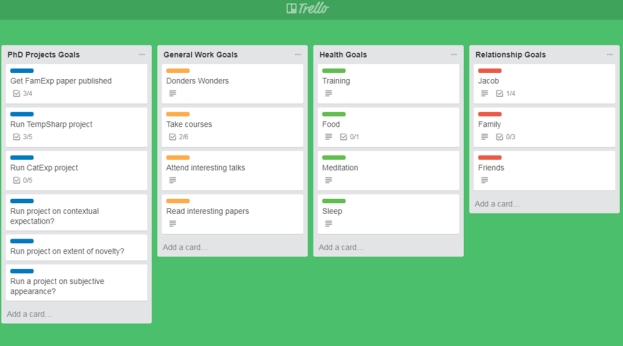
It’s very helpful to have an overview of your priorities, the goals that you currently have for each priority, the projects that belong to each goal, and the tasks that belong to each project. This makes it easy to see how far you’ve progressed on a certain project or goal and how this fits with your priorities overall.

Here is an example of some of my goals and how I’ve divided them according to priority. Each goal contains a list of projects or simply tasks.

Your Priorities

I often wake up to a list of to-dos. From the moment I open my eyes, I am running around: quickly, shower, eat breakfast, get dressed, rush out of the door, don’t forget anything! All the things that need to get done today hang over my head like ominous red lights. Will I make it through today? Will I complete everything? Or will some unexpected obstacle come up and make my day explode into pieces? Once the evening comes around and (hopefully) I have time to relax, I am exhausted. I can’t enjoy my free time because my head is spinning with worries, and I can’t be warm and caring towards my loved ones because I’m drained. Even though I’ve done so much today, what difference does it make? This is hardly the life I want to live. This is not how I want to feel.

You might think that in order to change the way you feel and the way you live, you’d need to make a big change: quit your job, move to a different house or city, leave your current relationship, etc. It is appealing to escape our current life and all its troubles. It’s easy to think that the problem lies in our job, living situation, or other people, and it’s tempting to get rid of all our worries and troubles by getting rid of one specific thing. We imagine that we’ll be so much happier if only that one thing is gone from our lives.

Unfortunately, that doesn’t work. You are you, and your worries and troubles will come with you even if you try to escape. The uncomfortable truth is that the big problems are not outside of us but rather inside us. Escaping them is not possible. Instead, we need to find a way to deal with them.

One of the biggest issues is that we walk around feeling unhappy, expecting that the world around us has to make us happy, and when it inevitably fails to do so, we complain and blame. We don’t take the time to think about what we want and what would make us happy because that’s way more difficult than blaming our unhappiness on somebody or something else. And even if we do think about what would make us happy, we don’t do anything about it or we have unrealistic expectations.

But there’s another way. We can carefully reflect on what we want and observe what makes us happy. These things are often much simpler than we imagine. We don’t need the most exciting, amazing job ever or the most romantic, perfect relationship. Instead, we need to figure out what is good enough for us and learn to appreciate it. This is easier said than done, so a good way to approach it is through trial and error: try something and see if it makes you happy. Observe. The important thing is to stay inquisitive and intentional. After you try that thing, does it make you happy? Does it fulfill the purpose you had in mind? Does it give you the meaning you were looking for? Does it inspire you?

You’ve probably heard about priorities before. No, not this kind of priorities.

In this way, you can find out what your priorities are. Your priorities are the main things that matter to you in life, and they guide everything you do. Often we think of priorities as vague things: career, family, friends, health. But if you want your priorities to really guide your behavior on a daily basis, they need to be more specific. “Work” might become “Complete a PhD program” or “Become an independent researcher.” “Relationships” might become “Be close with the people I love.” These specific priorities may change over time, and that’s okay. In fact, they should change, so they reflect what’s important to you at different stages of your life. In this way, you feel connected to them, and they truly guide your actions. It’s best if you write down your list of priorities and review it often.

This is a list of priorities that is way too vague.

Make sure each priority is specific and inspires action.

Gastritis Post 8: Main Message

So, what should you do if you have gastritis? Here is what worked for me:

  • Eat foods that do not cause a sugar peak and dip.

I’ve found that the insulin response is critical in the amount of pain I experience with gastritis: if I’m having a sugar dip, then I also get a lot of pain in my stomach and my gastritis gets irritated. For this reason, I make sure I eat plenty of protein, enough fat, lots of vegetables, and not many carbohydrates. I only have sweet stuff as a treat once in a while because that helps my blood sugar levels stay stable. For more details about what foods to eat, read this blog post.

  • Avoid foods that irritate the stomach.

This plays a big part in letting the stomach heal. Each person will experience different foods as irritating, but for me some of the big ones are: alcohol, coffee, spicy foods, fried foods, and some raw vegetables such as lettuce. For a full list of foods to avoid, read this blog post.

  • Avoid taking acid-suppressing medications in the long term.

While medications that suppress stomach acid production can help someone with acute gastritis, they are not a solution if the condition is chronic because a) they don’t treat the condition and help the stomach heal and b) they have side effects that can be dangerous in the long term. To read about my experience with acid-suppressing medications, read this blog post.

  • Help the stomach lining heal by taking some supplements

Turmeric has fantastic anti-inflammatory properties and it really helps reduce the inflammation of the gut lining in the case of gastritis. Also, L-glutamine helps tissues rebuild themselves, so it helps the stomach lining heal. For more specific tips about how to take these supplements, read this blog post.

  • Try to reduce and manage stress

Stress contributes in major ways to numerous digestive problems including gastritis. Therefore, as difficult as it might be, it is worth it to try to reduce and manage stress in your life. For more ideas about how to do this, read this blog post.

And that’s it! Good luck and let me know how these tips work for you… I’d be curious to hear! Are there any other approaches that have worked for you?

Here are links to some of the main resources that have informed my search for answers throughout my journey with gastritis:

Robb Wolf: Lots of information about the way of eating I describe (a paleo-inspired diet) and about lifestyle in general.

Dr Brooke Kalanick: Building on that, lots of information about our hormonal system and the important role hormones play in our health.

Girls Gone Strong: Lots of information about healthy movement, our relationship to food, and self-confidence and appreciation.

Source of featured image: Real Estate Dynamics

Gastritis Post 7: The unique influence of stress

Stress is a major contributor to many health issues, and, unsurprisingly, it also plays a big role in causing gastritis. I have noticed many, many times that my stomach gets irritated when I’m stressed. Once I started paying attention to this, I could notice it very clearly: about an hour after a stressful situation occurred, my gastritis symptoms had already gotten worse. Talk about a mind-body connection! Also, when I’m tired and sleep-deprived my stomach hurts more. Alternatively, when I’m on vacation and I’m relaxed and rested, I don’t feel my gastritis much. If only I could live my life on vacation…

It’s easy to say that generally we should try not to be too stressed. This is more easily said than done, however. What this translates into practically is that we can try to minimize stressful influences on our lives. For instance, we can make sure to get enough sleep rather than live our lives in a state of sleep deprivation which acts as a huge stressor on the body. We can also choose a work environment which allows us to pick our goals ourselves, so we reduce the pressure of external expectations, or we pick a job which allows us to pick our own schedule, so we can create a daily rhythm that works for us.

Also, it’s helpful to learn to “manage” our stress, whatever that means. For some people that means exercising, going out for walks, reading on the couch, meditating, or socializing. In general, anything that makes us feel like we’ve taken time for ourselves and have taken care of ourselves is a good idea. According to research, physical activity, time for introspection, and activities that deepen our relationships with others are the most helpful ways to reduce stress. I have found meditation to be particularly helpful because it allows me to see things in perspective and thus not worry unnecessarily.

This is so good! 😀 Enough said.

Image source: QuickMeme

When a stressful situation happens, a stress response ensues in our body immediately, and it’s good to have a way to diminish that. One simple but effective technique is to breathe in for 4 counts and breathe out for 6-8 counts. Taking several breaths like this ensures that we activate the parasympathetic system (which is engaged during rest) instead of the sympathetic system (which is engaged when we are stressed). Give it a try! It’s surprising that something so simple really works.

Finally, I’ve found it really helpful to take magnesium in the evening because it allows me to sleep very well. I take it after dinner, or about 2 hours before going to bed. Some people like drinking soothing herbal infusions such as ones containing valerian or other soothing herbs. While I like this idea in principle, I try to avoid drinking tea before bed because if I do, I have to get up to pee all night 🙂

To sum up, stress contributes to gastritis a great deal. It’s much easier to heal your gastritis if you don’t have much stress, so I’d recommend you try to minimize stress as much as possible. And if you can’t minimize it much, then try one or more of the many techniques to “manage” stress.

Source of featured image: Hello Giggles

Gastritis Post 6: What didn’t work for me but might work for you

There were plenty of things I tried that seemed like a good idea but didn’t work for me. I heard lots of honest reports from people for whom these things were very helpful. I will list these options here because, since they worked for other people, they might work for you.

One of the common causes of gastritis appears to be an infection with H. pylori, a bacterium. There are plenty of substances that have antibacterial properties and could help you get rid of this little guy. Antibiotics work as well, of course, but some people prefer other approaches.

Manuka honey is known for its powerful antibacterial properties, so I tried taking that on an empty stomach several times a day. I also tried taking beeswax every morning on an empty stomach. In fact, I’ve tried many different types of honey and bees products. Since I don’t have an infection with H. pylori, however, that didn’t help my gastritis. It’s never a bad idea to take some high-quality honey, though, so you can certainly try it and see if it helps your gastritis.

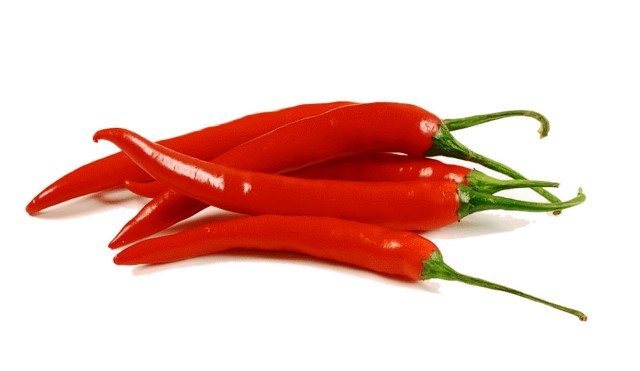
Cayenne pepper is also known to help with gastritis sometimes, and I tried it, even though I was very reluctant. Anything spicy leads to lots of pain for me, and in this case I had to drink a glass of water with a teaspoon of cayenne pepper in it on an empty stomach three times a day. I was in so much pain that it wasn’t even funny. Still, I kept it up for 5 days because people had sworn to me that this had treated their gastritis. In the end, it didn’t treat mine, and it took me about a week to get back to “normal” pain levels after trying this. Since cayenne pepper has powerful antibacterial properties, I believe it can be very helpful to someone with a bacterial infection, but for me it didn’t help. Feel free to try it, at your own risk… 😉

red_cayenne_peppers

Some people swear that cayenne pepper healed their gastritis or even ulcers,

but it was not a good idea for me.

Image Source: My Pull Zone

I also received the advice to take a gut cleansing powder. This means to drink a glass of water with this cleansing powder every morning on an empty stomach, and this powder goes into the bowels and cleanses whatever might be left in there that is not so good and could be upsetting the digestive tract. This treatment goes on for 8 weeks usually, and people say it’s good to do it once a year. It’s probably a good thing to do, but it didn’t help my gastritis. I’ve heard people say it helped them heal theirs, so perhaps you could try it and see what it does for you.

Naturally, I tried various herbal infusions to soothe the stomach. There are so many of these that I’m not even going to attempt to list them. I’ve found that they mostly have a short-term effect, so if my gastritis is particularly irritated on a given day, I could use them. For long-term healing, however, I haven’t found them to be effective. Still, if you want a tasty herbal infusion to soothe your stomach, I’d suggest something with ginger or licorice since these are my favorites. If your taste preferences are different, there are plenty of other herbs that could do the job.

I also took prebiotics and probiotics to help with my overall gut health. While I can’t say these specifically healed my gastritis, they definitely improved my digestion. I certainly recommend that you augment your digestion by taking a prebiotic and/or a probiotic depending on what’s right for you. If you don’t want to take these, you could also include fermented foods into your diet such as sauerkraut, kimchi, pickles, etc. which naturally improve your gut flora.

I have also taken digestive enzymes and, similarly to what I said in the previous paragraph, these didn’t heal my gastritis, but they did improve my digestion. Often people with digestive tract problems are deficient in digestive enzymes, so it’s a good idea to boost one’s digestion with digestive enzymes. Perhaps you can try and see if this is a good idea for you.

While all of these products sounded like a good idea for something to treat gastritis, they didn’t specifically do that for me. I do recommend taking a good probiotic and perhaps a prebiotic if your gut flora is damaged. Digestive enzymes can also really help boost your digestion. These products may not heal your gastritis, but they will improve your digestion which is usually suboptimal in someone with gastritis, especially if you’ve been taking acid-suppressing medications like I had. Manuka honey and beeswax have helped other people and they have powerful antibacterial properties, so they may be worth a try, particularly if you suspect you have a bacterial infection. Cayenne pepper may also rid you of an infection, but it may also terribly irritate your stomach in the process. Gut cleansing powders and soothing herbal infusions may also contribute to overall gut health, but based on my experience, I wouldn’t say they’d heal your gastritis.

Feel free to give these a try! Let me know if they do or do not work for you. Are there any remedies you’ve tried that did or did not work for you?

Gastritis Post 5: What worked for me Part 2

As discussed in the previous blog post, the thing that helped me the most with my gastritis was:

  1. Keep blood sugar levels stable: eat enough protein and healthy fats and not too many carbohydrates.

Besides that, there are several gastritis-specific things I’ve discovered that work for me.

2. Eat vegetables that don’t irritate your stomach

There are plenty of vegetables that I don’t eat in large amounts because they irritate my stomach. For instance, lettuce, raw spinach, raw kale, raw tomatoes, and raw peppers. Instead, I eat vegetables that I can handle well, such as cucumbers, zucchini, mushrooms, bok choy, broccoli, cauliflower, etc.

3. Eat cooked vegetables instead of raw

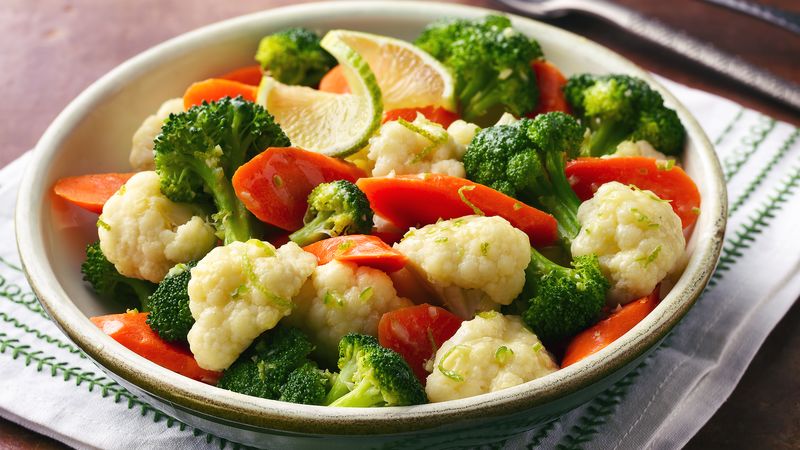
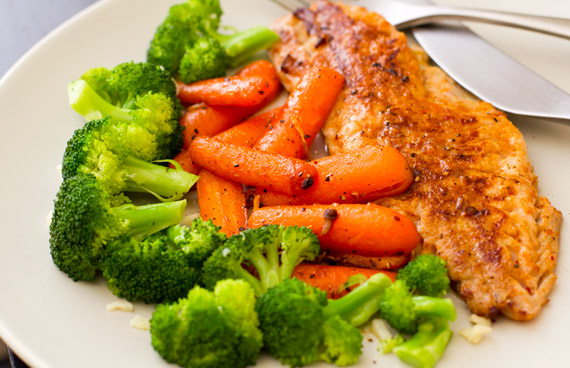
Raw food is more difficult for the stomach to process, and for someone with gastritis raw food can be problematic. For this reason, unfortunately, salads usually aren’t a good idea unless they contain lots of protein and lots of cooked veggies in addition to some raw greens. I mostly steam my vegetables, which means that they are cooked and my stomach can process them without getting irritated, but because the vegetables weren’t boiled in water, they still retain the majority of their vitamins and minerals.

Steamed vegetables have become my (almost) best friend!

Image Source: Betty Crocker


4. Avoid eating too much fruit

Ah, I love fruit and I wish I could eat more of it, but I just don’t do well with it. There are two main issues with fruit: either they spike my blood sugar and give me a sugar dip or they irritate my stomach. On the one hand, if a fruit is nice and starchy such as a banana or a mango, my stomach can handle it well, but then I get a sugar dip, intense hunger, and strong gastritis pain again. On the other hand, if a fruit is more fibrous such as an apple or a pear, it irritates my stomach and it gives me pain. Citrous fruits such as oranges or grapefruit are an absolute no-no because they irritate my stomach a lot and immediately give me pain. So it may not come as a surprise that I don’t eat many fruits. From time to time I have peaches, apricots, cherries, or mango since those are my favorites, but I eat them rarely. If I do eat them, I treat that as a dessert or I try to have some source of protein with them, so they don’t spike my blood sugar too much. But I consider them more of an indulgence than a staple food in my diet. In case you’re concerned that I am not getting enough nutrients by avoiding fruits, don’t worry: I eat plenty of vegetables with every meal, and those are very high in nutrients.

5. Avoid eating too many nuts and seeds

Nuts and seeds are a versatile snack, and I used to eat them in between meals, but they irritate my stomach. In fact, I used to eat almonds with an apple, but my stomach really didn’t like that. Nuts and seeds are difficult for the stomach to process, and they easily irritate one’s gastritis. For that reason, I’ve brought them to a minimum for now. Sometimes I have brazil nuts or almonds with an avocado or cucumber, but it’s not a staple snack.

6. Avoid eating grain

Grains are a topic of huge discussion now, and I am not claiming that gluten is everyone’s enemy, but I have noticed that I do better without grains. White bread and pasta are low in nutrients but relatively high in calories, so I don’t see why I should eat them. Whole grains and whole-grain pasta are richer in nutrients, but because of their “whole-graininess” they are more difficult to process for the stomach and they give me pain. Also, fresh vegetables still have way more nutrients than whole grains, so I am not worried that I am missing out on anything by avoiding grains. I feel a lot better having excluded them from my diet.

7. Avoid eating junk food

Duh. This should be an obvious one. There are so many things in junk food that irritate even a healthy person’s stomach that for someone with gastritis it should be a clear choice to avoid that. Enough said.

8. Avoid spicy food

Spicy (as in “hot”) foods really irritate the stomach, and they make my gastritis hurt so bad it’s difficult to explain… It’s a pretty clear choice to avoid those.

Spicy food is a definite no-no.

Image source: Healthy Eating – SFGate

9. Avoid fried food

Fried food also irritates the stomach, so anyone with gastritis should avoid it. Especially deep fried food is really irritating in this case, which is unfortunate because it is so delicious. For me, it doesn’t cause as much pain as spicy food, but it’s still pretty unpleasant.

10. Avoid highly acidic food

This refers to mainly salads with lots of vinegar or lemon juice. As tasty as those may be (to some people; luckily for me, I never liked vinegar very much), they make my stomach hurt very much. I can tolerate a liiiiiitle bit of lemon juice but not more.

11. Avoid drinking alcohol

Ah, yes… This is a tough one. In the past, I could feel my gastritis hurt after even a single glass of wine. Still, I couldn’t imagine not drinking in certain social situations, so I kept on doing it. A little over a year ago, I stopped drinking altogether. I feel so much better and my stomach is doing so well, it’s actually uncomparable. I know it may be a difficult change to make, but it’s worth it. Even if you don’t quit alcohol altogether, it is a good idea to reduce the amount of alcohol you consume if you’re trying to heal your gastritis.

12. Avoid drinking coffee or very strong teas

Coffee also irritates the stomach, so it may be tough on someone with gastritis. Strong teas such as black teas can also be irritating. I don’t drink coffee, so that wasn’t a particular problem for me, but I have a little bit of an issue with strong black teas. For that reason, I drink mostly green tea and usually after a meal.

13. Drink soothing teas (herbal infusions)

Some specific herbal infusions can be really soothing to the stomach. My personal favorites are herbal infusions with licorice or ginger. They taste amazing and they soothe my gastritis if it was irritated. I really enjoy those types of drinks.

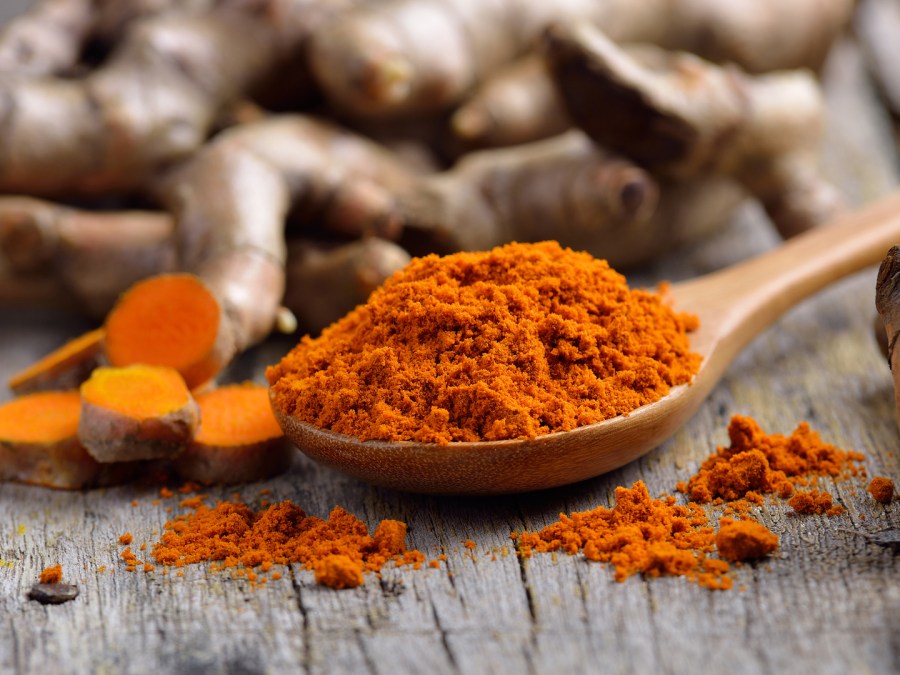
14. Take turmeric (curcuma) as a supplement

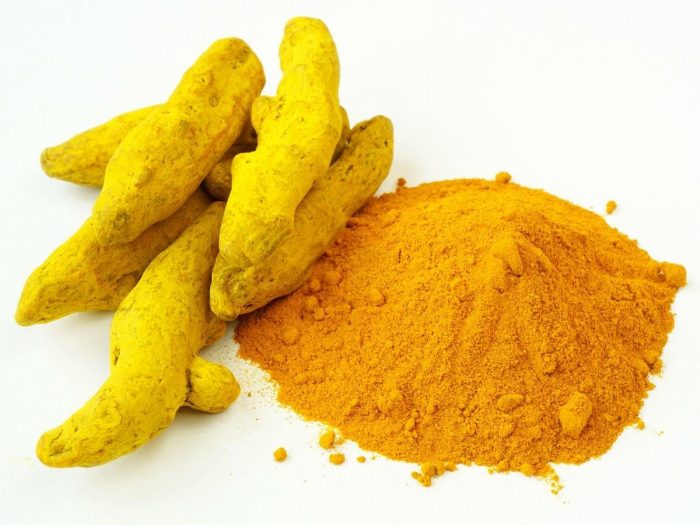
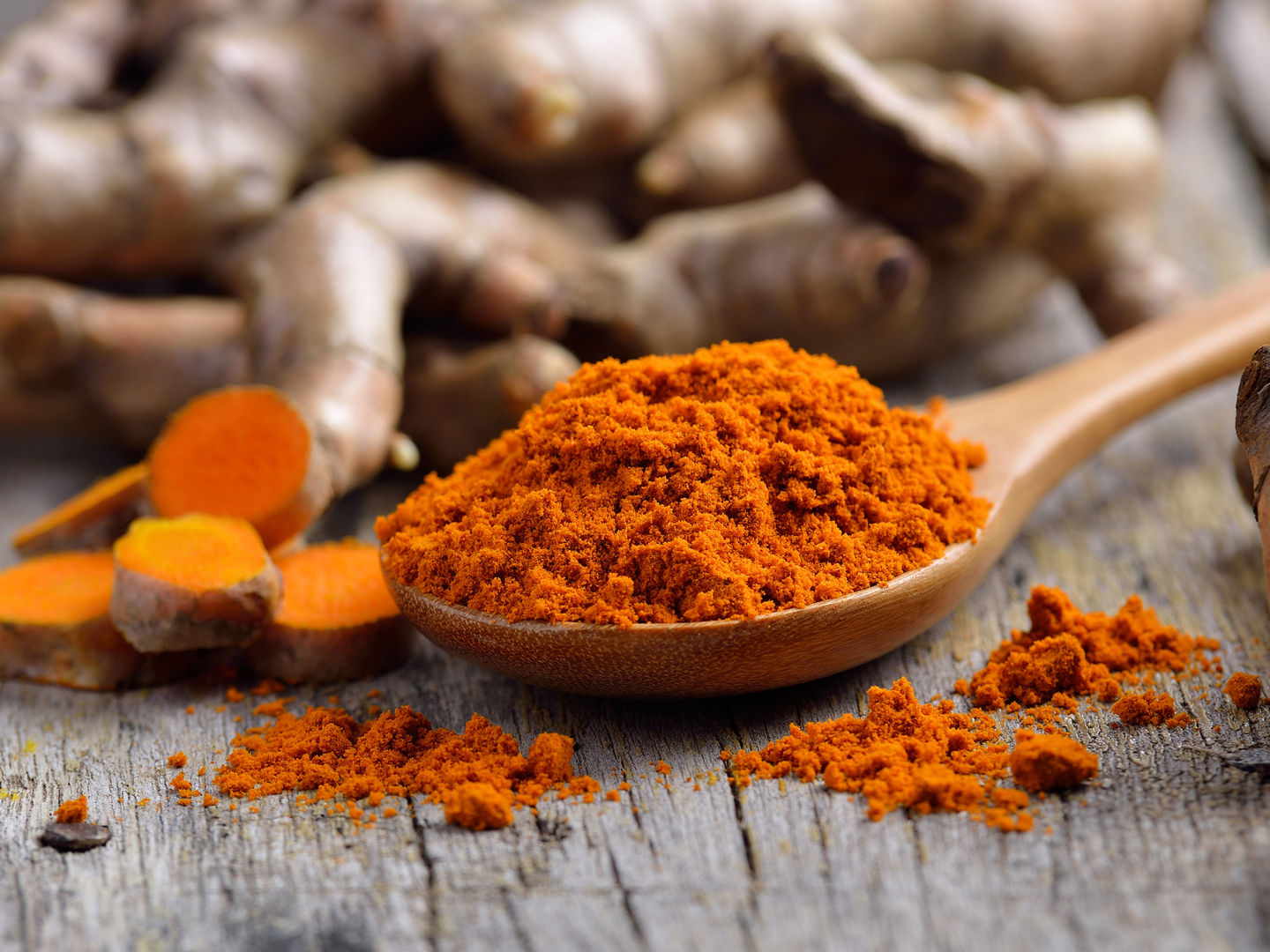
Turmeric (a.k.a. curcuma) is highly anti-inflammatory and is helpful in many respects, but I’ve found it to be particularly helpful with gastritis. It really has done wonders for me! I used to take 3 tablets a day when I started the treatment, and now I take 1 tablet a day mostly for good measure because of its amazing healing and anti-inflammatory properties. Turmeric is available as a spice in any supermarket, but I recommend getting it as a high-quality supplement because then it’s much more potent as an anti-inflammatory aid.

I highly recommend turmeric as an anti-inflammatory aid to heal gastritis.

Image source: Organic Facts

15. Take L-glutamine as a supplement

L-glutamine is an amino acid that helps in the repair of tissues. Bodybuilders and fitness enthusiasts take it to aid the recovery of their muscles after training, but for someone with gastritis it’s useful regardless of whether they train or not. The best way I’ve found so far to take L-glutamine is to put it in my water bottle and sip it throughout the day. I put one heaped teaspoon of L-glutamine in 500 – 750 ml of water and shake the water bottle well. When I started the treatment, I was having about 5 teaspoons of L-glutamine per day, while now I have about 2, mostly for maintenance (and because I like the taste 🙂 ). It is very helpful for healing gastritis, and as an added bonus it makes water taste great!

There you have it! All of my suggestions about what worked for me in healing my gastritis. I hope you try some of them! In the next blog post I will cover other things I’ve tried for gastritis that didn’t work for me but might work for you.

Source of featured image: Dr. Weil

Gastritis Post 4: What worked for me Part 1

Finally, I’ve gotten to the most intriguing part: What worked for me in treating my gastritis? I will dive right in.

The main thing is actually quite simple and it blew my mind that it had such an influence:

  1. Keep blood sugar levels stable: eat enough protein and healthy fats and not too many carbohydrates.

Since with gastritis my stomach hurts when I’m hungry, it really helps to keep my hunger signals under control. For that, it is helpful not to spike my blood sugar. I was extremely surprised to discover how big of a deal this was, but it makes a huge difference!

I used to eat oats with yoghurt and fruit for breakfast, and I’d be in pain 2 hours later. Then I’d have a muesli bar and my stomach would be hurting again 2 hours later. For lunch I’d have a sandwich and a salad, and 3 hours later I’d be in pain again, so I eat some fruit for a snack until I can barely wait for dinner because of the pain. And this happened every day…

Now I eat scrambled eggs with vegetables (usually zucchini, leeks, and portobello mushroom) and a little butter for breakfast and I’m only hungry 4 hours later. The important thing is that I am actually hungry then and not simply in pain. Then I eat lunch which is, again, protein with vegetables and some healthy fats. For instance, chicken with cauliflower and carrots or meatballs with broccoli and usually some olive oil. This keeps me feeling good for another 4-5 hours. I usually have a small snack at that point such as a small avocado with almonds or brazil nuts or canned sardines with a cucumber. Then, for dinner I also have a mixture of protein (chicken, beef, salmon, or catfish), vegetables (e.g., cabbage, pakchoi, spinach, kale, broccoli, cauliflower), healthful fats (e.g., ghee or coconut oil), and if I’ve had a training session I also include starchy vegetables (e.g., sweet potato, pumpkin, beets, carrots, parsnip). With all of these foods I include a variety of spices and herbs.

Basically, my breakfast every day. And I don’t get tired of it.

Image source: I Health U

This eating style keeps my blood sugar levels stable, so I don’t get any peaks and dips. This means that I don’t have fits of stomach pain between meals and I can go for normal periods of time without eating instead of having to eat every 2-3 hours. I still don’t eat huge meals because I don’t feel comfortable when I’m bloated from too much food. I also find that eating until I’m 80% full helps me keep my weight at a level I like. In fact, I’m quite lean now without starving myself, and I get to enjoy my food very much.

The reason this works so well for me (and for many other people) in keeping my blood sugar levels stable is that the macronutrient content is balanced. Protein is very satiating (makes you feel full for a long period of time), so it’s good to include it at every meal in order to avoid sugar dips. Fat is also very satiating, but it’s also high in caloric value, so it’s good not to overdo it. Healthy fats are essential for our health though, so don’t avoid them.

Carbohydrates are a little more questionable. Different types of carbohydrates work differently for different people, so it’s important to figure out what each type of food does for you. But generally simple sugars (sweets, sodas, etc.) spike our blood glucose levels and thus lead to a sugar dip afterwards. This is also true of many fruits (e.g., banana, mango, raisins, any fruit juice). Bread and pasta can also have that effect, although there’s more individual variation there. It’s also important to get good nutritional value out of the carbohydrates we eat, and the best way to do that is to eat starchy vegetables (e.g., sweet potato, pumpkin, parsnip). They contain the carbohydrate that is good for the body especially after intensive physical activity, and they also deliver lots of fiber, vitamins, and minerals. Moreover, when combined with protein and healthy fats, starchy vegetables don’t spike our blood sugar so much, so we can enjoy a meal containing some carbohydrates without having to suffer a sugar dip.

The main point here is that when I keep my blood sugar levels stable, I don’t get sugar dips, and I don’t experience the intense hunger which triggers my gastritis. In this way, my stomach doesn’t get irritated, so I’m not in pain.

This doesn’t mean that I never eat sugar. For instance, I eat dessert twice a week, and that works great for me: I don’t suffer from sugar dips and intense, painful hunger often, but I still get to enjoy sweet stuff once in a while. The key is that I usually have it after a main meal, so then it doesn’t trigger a blood sugar spike and a consequent dip, so I’m not in pain. Some people do well having sweets once in a while, but for some people it might be easier to give them up altogether. (See Gretchen Rubin’s distinction between abstainers and moderators.) You can try it and figure out what works best for you.

The kind of food I’ve described here is the first and most important thing that helped me heal my gastritis. In the next blog post, I will describe the other 14 things I discovered!

Source of featured image: Eat Drink Paleo

Gastritis Post 3: What didn’t work for me

Since I developed gastritis, I went to several doctors to ask for advice and medications. I went to my GP, to a gastroenterologist, to an expensive private practice which ran fancy tests, and to a homeopath. They all reached the same conclusion: you have gastritis.

I was told to eat every 3 hours, mostly rice and potatoes. I did that for a couple of weeks, but it only made me hungry the whole time and didn’t particularly help my gastritis.

I was given medications that suppress the production of stomach acid, specifically Nexium (esomeprazole). They made the pain less intense, but if I skipped a dose, I noticed how bad my gastritis actually was. I took Nexium for 2 years, but my symptoms didn’t disappear. At that point, I got worried because there was mounting evidence that acid-suppressing medications decrease bone density and contribute to hip fractures once people get older. This has only been shown for long-term users of such medications, but 2 years seemed close to long-term to me. I gradually weaned myself off of Nexium and stopped taking it altogether.

Afterwards I found out that an important consequence of taking Nexium for a long time is that minerals and vitamins are not absorbed well by the digestive system (apparently, stomach acid is necessary for that). The most common issues are low levels of magnesium, calcium, and vitamin D, which lead to decreased bone density and more fractures in the hip, spine, and wrist. B12 deficiency is also common. Honestly, I’m glad I’m not taking Nexium anymore.

Many of the doctors who saw me were convinced I had an H. pylori infection, so I got tested several times over the years. I kind of wished I had the infection because then I could have just taken an antibiotic and been done with it. First, my GP ordered a blood test, which was negative for H. pylori. A few years later, since I was still struggling with gastritis, he ordered a fecal test because that was more accurate than a blood test. Unfortunately, that was negative too. A few years later still, the gastroenterologist said that the most accurate test for H. pylori was a gastroscopy, so I had that done as well. Very unfortunately, since a gastroscopy is quite unpleasant, I had no H. pylori. The doctor confirmed that I had gastritis though, to which I said, “Well, thanks very much for the news.”

I almost wish I had an H. pylori infection because then the course of treatment would have been clear. But I didn’t have it.

Image source: El Ombligo del Ocio

The homeopath I visited was very pleasant and reassuring and actually told me that the traditional methods I was trying (such as the anti-acid medications) would not heal my gastritis. In the end, he was right, but unfortunately the treatments he gave me didn’t get me better either. So traditional medicine didn’t help me heal, but homeopathy didn’t either.

To sum up, the typical approaches to treating gastritis didn’t help me heal. I ate every 3 hours, mostly rice and potatoes, I took acid-suppressing medications, and I got tested for H. pylori, but those things didn’t help. In the next blog post, I will cover what actually helped me to get better.

Source of featured image: Static Flickr